

Selling a house with foundation problems in New Orleans, LA starts with understanding the condition, sharing what you know and comparing your selling options. You may be dealing with uneven floors, sticking doors, earlier leveling work or a repair recommendation you cannot take on. This guide explains inspections, as-is sales, records and contract questions while preserving the practical choice between repairing and selling in the current condition.
By Andrew Rodriguez & Tony Bertucci
Request a cash offer
Request an as-is cash offer from Bertucci Investment Group or call 504-920-4747. You can discuss the property without agreeing to sell. For structural, legal or insurance decisions, consult the qualified professional who represents your interests.

Key Highlights
You can discuss selling a house with foundation problems in New Orleans without first committing to a repair contract. The practical choice depends on the property’s condition, your resources, the buyer’s requirements and any legal or title issues. An as-is purchase is one option; repairing before listing is another. Neither option removes the need for honest information and a written agreement.
Keep three decisions separate: whether the building needs immediate safety attention, whether you want to undertake repairs, and whether a particular purchase contract fits your needs. A qualified structural professional addresses the first question. You decide the second with appropriate advice. The third requires a careful review of the proposed terms, including inspection rights and what happens if the transaction does not close.
Understanding Foundation Issues in New Orleans
New Orleans homes have different foundation systems, construction histories and site conditions. A raised wood-frame house may have piers, beams and crawl-space concerns, while another property may have a slab foundation. Do not assume that a repair method recommended for a nearby home is appropriate for yours. Even houses on the same block can have different drainage, additions and previous repairs.
The useful starting point is a description of observed conditions rather than a diagnosis. Note when cracks appeared, whether a door recently started sticking and where water collects after rainfall. Share any earlier engineer’s reports or repair records. A buyer needs a realistic picture of the property, and a qualified professional can distinguish cosmetic symptoms from conditions requiring further investigation.
Common Causes of Foundation Issues
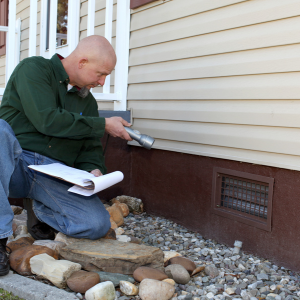
Movement can be associated with soil conditions, changes in moisture, drainage problems, inadequate support or deterioration of structural components. Older alterations can also matter. An addition, enclosed porch or changed load path may require its own review. The presence of a crack alone does not identify the cause, and an online checklist cannot determine whether a building is structurally sound.
For raised houses, an inspection may include accessible piers, beams, joists and the spaces beneath the building. For slab houses, the scope can differ. Ask the professional what was accessible, what was not inspected and whether further testing is recommended. A limited inspection should not be described to a buyer as a complete certification of the whole structure.
Preserve the sequence of earlier work. Collect contracts, invoices, permit records and any warranty documents. If a prior owner arranged repairs, say which information came from that owner and what you personally observed. This distinction is especially helpful for heirs or people who bought the property as a rental and have not lived there.
Impact of New Orleans Climate on Home Foundations
Heavy rainfall, periods of dry weather and prolonged moisture exposure can affect soil and building materials. Water that repeatedly pools beside a building deserves attention, but that observation does not establish a particular structural defect. Drainage should be evaluated in the context of the site, neighboring improvements and the existing foundation system.
In a crawl space, persistent moisture can be associated with deterioration of wood components and other concerns. A contractor or engineer can recommend appropriate next steps based on actual conditions. Avoid entering an unsafe crawl space or trying to support, jack or level a building yourself. If you suspect an immediate hazard, seek qualified help and keep people away from the affected area.
Keep dated photographs after rain and records of any drainage work. If storm damage or an insurance claim is involved, ask your insurance adviser how selling could affect the claim. Do not assume that a purchase agreement transfers claim rights, guarantees coverage or settles a dispute with an insurer. Any agreement about related proceeds needs professional review.
Evaluating Your Home’s Foundation
Evaluation is about understanding the condition and the choices available, not predicting a sale outcome. Start with existing records and a walk-through of safely accessible areas. If a buyer requests an inspection, ask who will conduct it, what access is needed and how the findings will be communicated. Keep copies of reports rather than relying on a verbal summary.
An independent licensed engineer can be useful when there is significant movement, conflicting repair recommendations or uncertainty about the proposed scope. A repair contractor can explain a construction proposal, but the seller should understand who is providing the diagnosis and who is selling the work. Ask questions about qualifications, limitations and whether the recommendation addresses the underlying concern.
Signs of Foundation Problems to Look For
Cracks in walls or floors, uneven floors, sticking doors and separation around trim can warrant a closer look. They are observations, not proof of a specific cause. Some conditions develop gradually; others follow water intrusion or an alteration. Record locations and dates instead of simply labeling every crack as settlement or declaring the building free of problems.
Look for changes that affect everyday use, such as an opening that no longer closes or a noticeable difference in floor slope. Do not remove structural components or enter unstable areas to obtain photographs. Tell the inspector about concealed spaces, recent cosmetic work and any area you cannot safely access. This helps avoid an incomplete picture of the house.
If you inherited the home, it is reasonable not to know every repair that occurred over the years. Describe your knowledge honestly and gather available family records. The loss of a relative can make property decisions difficult, so allow space for both the legal paperwork and personal decisions about belongings. A buyer’s request should not replace advice from your own attorney.
How Much Does Home Foundation Repair Cost?
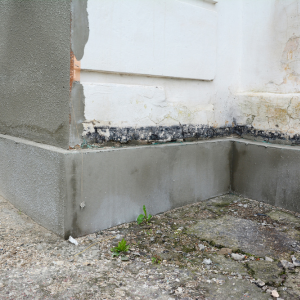
There is no reliable single repair figure for every New Orleans house. The scope, foundation system, access, engineering requirements, permits and related work all affect a contractor’s quote. Obtain written proposals tied to the actual conditions rather than assuming a neighbor’s project or an online estimate applies to your property. Ask what each proposal excludes.
Compare the scope before comparing totals. A drainage correction is not the same job as replacing deteriorated framing or installing additional support. Ask whether the proposal includes engineering, debris removal, permits where required and repair of disturbed finishes. Clarify how concealed damage or a change in scope would be handled and who would authorize additional work.
Check the proposed warranty and any transfer conditions. Keep the final paid invoice and completion records if repairs are performed. For a seller considering an as-is purchase, these estimates can still help explain the property’s condition. Getting an estimate does not obligate you to repair before requesting a cash offer or exploring other selling options.
Navigating the Selling Process with Foundation Problems
Begin by deciding how much work you are willing and able to manage. Some owners prefer to arrange repairs and then list the house. Others would rather discuss an as-is sale with a buyer prepared to evaluate the condition. Consider contractor coordination, access, safety, occupancy and your own circumstances, not just a promise made in an advertisement.
Then request the proposed terms in writing. Identify the purchaser, inspection period, cancellation rights, earnest-money terms, expenses and possession arrangements. Ask whether the agreement can be assigned and who will actually attend closing. A direct buyer should be able to explain the process without asking you to overlook contract language or rely on a verbal assurance.
Are There Buyers Who Will Consider a House with Foundation Issues?
Yes. Some buyers consider houses needing structural work, including investors who plan repairs after purchase. Others may be unwilling to accept the condition, or their financing may introduce additional requirements. A cash offer describes a funding proposal; it does not automatically waive inspections, title review or other contract conditions. Read the agreement rather than assuming those details.
Bertucci Investment Group can discuss an as-is purchase of a New Orleans property with foundation concerns. Share the reports and repair history you have. We are a prospective buyer, not your structural engineer or legal representative. An offer conversation does not certify the condition of the house, and you remain free to seek independent advice before deciding.
For local context, visit our New Orleans cash home buyer page, Metairie home-selling page and Jefferson Parish guide. Nearby markets can involve different property types and jurisdictions. The address and actual documents should guide the transaction rather than assumptions based on a neighborhood name.
What Does Selling As-Is Mean in Louisiana?
An as-is sale generally describes a purchase in the property’s present condition rather than a seller commitment to complete specified improvements. The precise effect depends on the contract and applicable law. It does not mean concealing known defects, and it does not necessarily mean the buyer has no inspection rights. Ask a Louisiana attorney to explain provisions you do not understand.
If you do not intend to repair the foundation, make that expectation clear before signing. Identify any work you have nevertheless agreed to complete, any personal property that stays and when possession transfers. An inspection contingency and an as-is provision can appear in the same agreement. Their interaction should be understood before either party relies on the contract.
Ask who pays each closing expense and how liens, taxes or other obligations will be handled. Compare the written terms, not advertising claims about a simple sale. The condition of the home is only one part of the transaction. Ownership questions, succession paperwork, occupancy or unresolved title matters may also require attention before closing can occur.
Legal Considerations for Selling Orleans Houses
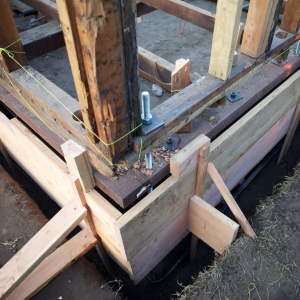
A property sale can involve disclosure duties, title requirements and contract terms that are specific to the situation. Foundation concerns do not remove those obligations. Have a Louisiana real estate attorney or appropriate closing professional review the records and advise on what is required. General information in this guide is not a determination of your legal responsibilities.
If more than one person owns the house, establish who must approve and sign the sale. An inherited property may require succession work or other proof of authority. A divorce, disputed ownership interest or existing lien can also affect the process. Explain these circumstances early so the proposed closing arrangements reflect the actual paperwork rather than an assumed timeline.
Disclosure Requirements for Foundation Issues
Provide honest information about known foundation concerns, earlier inspections and completed repairs. Louisiana disclosure requirements and possible exemptions depend on the transaction, so ask your attorney which forms and supporting records apply. Do not assume an exemption from a particular form permits misleading statements or concealment. If a question is outside your knowledge, say so rather than guessing.
Keep the information consistent across the disclosure form, emails, inspection reports and purchase agreement. If new information arrives during the transaction, ask your adviser how to update the buyer appropriately. Retain copies of what you provided and when. A written record is more useful than relying on memories of a hurried conversation during a walk-through.
When repairs have been completed, provide the actual scope and warranty rather than describing the foundation as permanently fixed. A contractor’s warranty can have limits, exclusions and transfer requirements. If work was incomplete or a recommendation was not followed, explain that distinction. Transparency allows the parties and their advisers to address the condition directly in the transaction documents.
A practical document and closing checklist
Create one folder for the deed or ownership records, prior reports, contractor proposals, invoices, permits and relevant insurance correspondence. Add a short chronology of observed symptoms and work performed. For occupied rentals, include the lease and deposit records. Share sensitive documents through a method agreed with the closing professional rather than sending originals to an unverified contact.
Before accepting an offer, confirm how property access will work and who may enter. Ask what inspections remain, which deadlines matter and what happens if the buyer wants a change after inspection. Resolve any agreement about belongings, move-out arrangements and possession in writing. Do not hand over keys merely because someone says closing is expected.
At closing, review the settlement documents and confirm that the written agreement reflects the transaction you accepted. Ask the closing professional to explain unfamiliar charges or payoffs. Verify any wiring instructions directly using a trusted contact method before sending funds. A foundation problem can be addressed in a sale, but careful paperwork and independent advice still matter.
Questions to settle before choosing repairs or an as-is sale
If you are considering repairs first, ask how the proposed work will affect access and occupancy. Some projects require clear space around the building, temporary restrictions or coordination with utilities. Do not make those arrangements based only on a general estimate. Get the contractor’s planned scope and responsibilities in writing, and ask what conditions could require a revised proposal.
If you are considering an as-is purchase instead, ask whether the buyer has reviewed the information you already supplied. Distinguish an initial discussion from a signed offer with defined conditions. An inspection may lead to additional questions, but you should understand in advance which terms allow a change or cancellation. Keep a copy of every version of the agreement and do not treat an unsigned revision as settled.
Neither path should depend on concealing a problem with new paint, flooring or cosmetic patches. Ordinary upkeep and safety measures are different from work intended to hide symptoms. If you made cosmetic repairs before learning about a structural concern, explain the sequence and provide whatever documentation is available. Your attorney can advise how to describe the facts accurately.
For a family deciding together, write down the responsibilities each person is willing to take on. One relative may handle records, another may coordinate access, and another may need time to review legal paperwork. An agreed point of contact can reduce confusion without excluding an owner from decisions. No one should sign on behalf of another person without the authority required for that transaction.
Frequently asked questions
Can I sell a house with foundation problems in New Orleans as-is?
Yes, a buyer may accept the present condition. Put repair expectations and inspection rights in writing, disclose known concerns honestly, and have your attorney explain the contract.
Do foundation cracks always mean a house is unsafe?
No. A crack alone does not establish its cause or severity. A qualified structural professional should assess significant movement, changing symptoms or suspected hazards. Avoid unsafe areas while seeking help.
Do I need to repair the foundation before requesting a cash offer?
You can request an offer before committing to repairs. Share reports and estimates you have, and ask whether the buyer requires further inspection or any work before closing.
What should I disclose about earlier foundation repairs?
Provide known concerns, available reports, the actual repair scope and warranty records. Ask a Louisiana attorney which disclosure requirements or exemptions apply to your transaction.
Can an inherited house with foundation issues be sold?
It may be sold once the authorized parties can convey ownership and closing requirements are met. A succession attorney can explain the family’s paperwork. You do not need to pretend to know repair history you never received.
How long will a sale with foundation problems take?
There is no single timeline. Inspections, title work, ownership documents, any agreed repairs and possession arrangements affect the process. Ask for realistic contract terms rather than relying on a timing promise.
Discuss an as-is sale with Andrew and Tony
To talk about selling your New Orleans house with foundation concerns, use the cash-offer form above or call 504-920-4747. Bring the questions and records you already have. Andrew Rodriguez and Tony Bertucci can discuss a proposed purchase while you review your options with the advisers you choose.
Helpful New Orleans Blog Articles
- Selling a Home That Needs Repairs in New Orleans, LA
- How to Sell an Inherited House in New Orleans, LA
- Who Pays Taxes When Selling a House in New Orleans, LA
- Can You Sell a House with Tenants in New Orleans, LA
- Can I Sell A House with A Quitclaim Deed in New Orleans, LA
- Do I Need a Lawyer to Sell My House in New Orleans, LA?
- Selling a House with Foundation Problems in New Orleans, LA
- Selling a House As-Is in New Orleans, LA
- Sell Your New Orleans, LA, Rental for Cash